

How I Learned to Stop Worrying and Love 'House of the Dragon's' Daemon and Rhaenyra
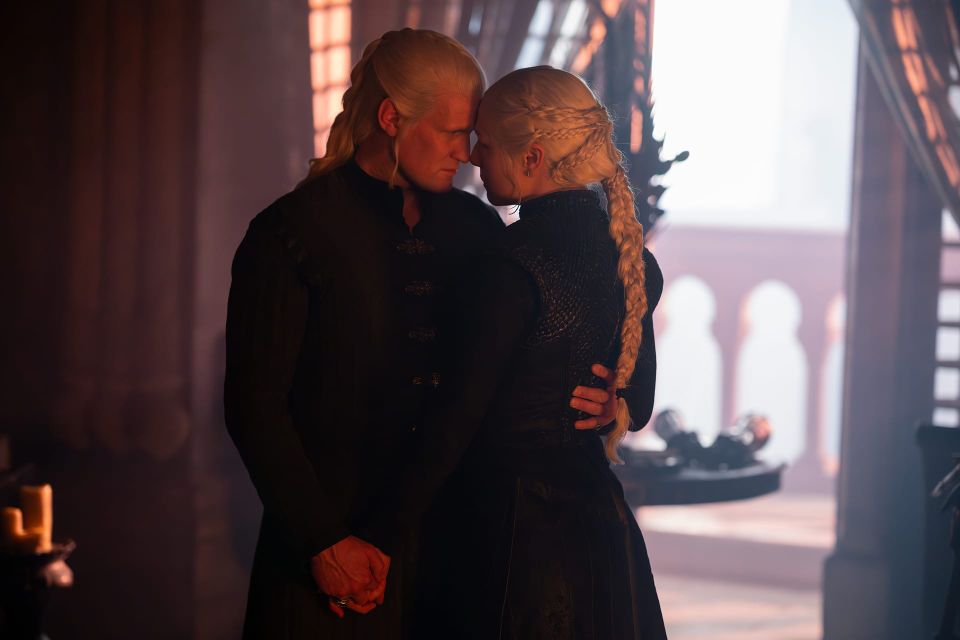
Once upon a time, not so very long ago, incest used to be one of the last great taboos in popular entertainment. Sure, there were teases in all sorts of properties — potential love interests discovered to be secretly related before anything sexual happens (Star Wars), flirtatious close relations who mercifully weren't (Shadowhunters). But anything that wasn't an obvious abuse or horror story (think Flowers in the Attic) pretty much backed off from ever truly going there. That was then.
Now, in a TV landscape with increasingly fewer boundaries to break and lines to cross, such stories have become more prevalent, an easy way to capture both viewers’ attention and zeitgeist buzz. Showtime's The Borgias famously made a love match out of historical rumors of overfamiliarity between siblings Cesare and Lucrezia — but it was Game of Thrones that pushed incest romance mainstream. From the twisted sibling connection between Cersei (Lena Headey) and Jaime (Nikolaj Coster-Waldau)Lannister to the generational incestual practices of the entire Targaryen dynasty, suddenly, what was previously taboo is now a fairly significant plot device.
Its spinoff, House of the Dragon, takes things to the next level. A series that not only features multiple incestuous flirtations, marriages, and children with uncomfortably closely related parents, the Targaryen-based prequel has fully embraced the idea that love — political or otherwise — can't be restricted by something like bloodlines.
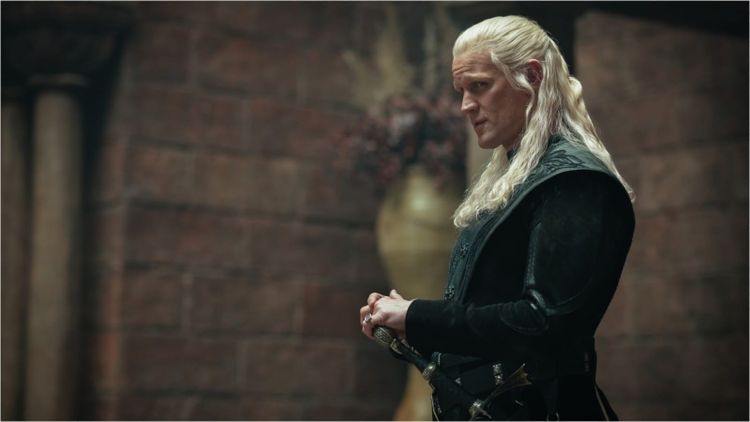
But House of the Dragon doesn't just acknowledge that incest is regularly practiced in the world its characters inhabit; it makes it a key emotional driver of the larger story it's telling. Because the relationship between uncle and niece Daemon (Matt Smith) and Rhaenyra (Emma D'Arcy) Targaryen isn't a plot device or a surprise twist deployed in the name of shock value. It's a genuine romance the series actively wants its viewers to root for. And it's become the best thing about the show.
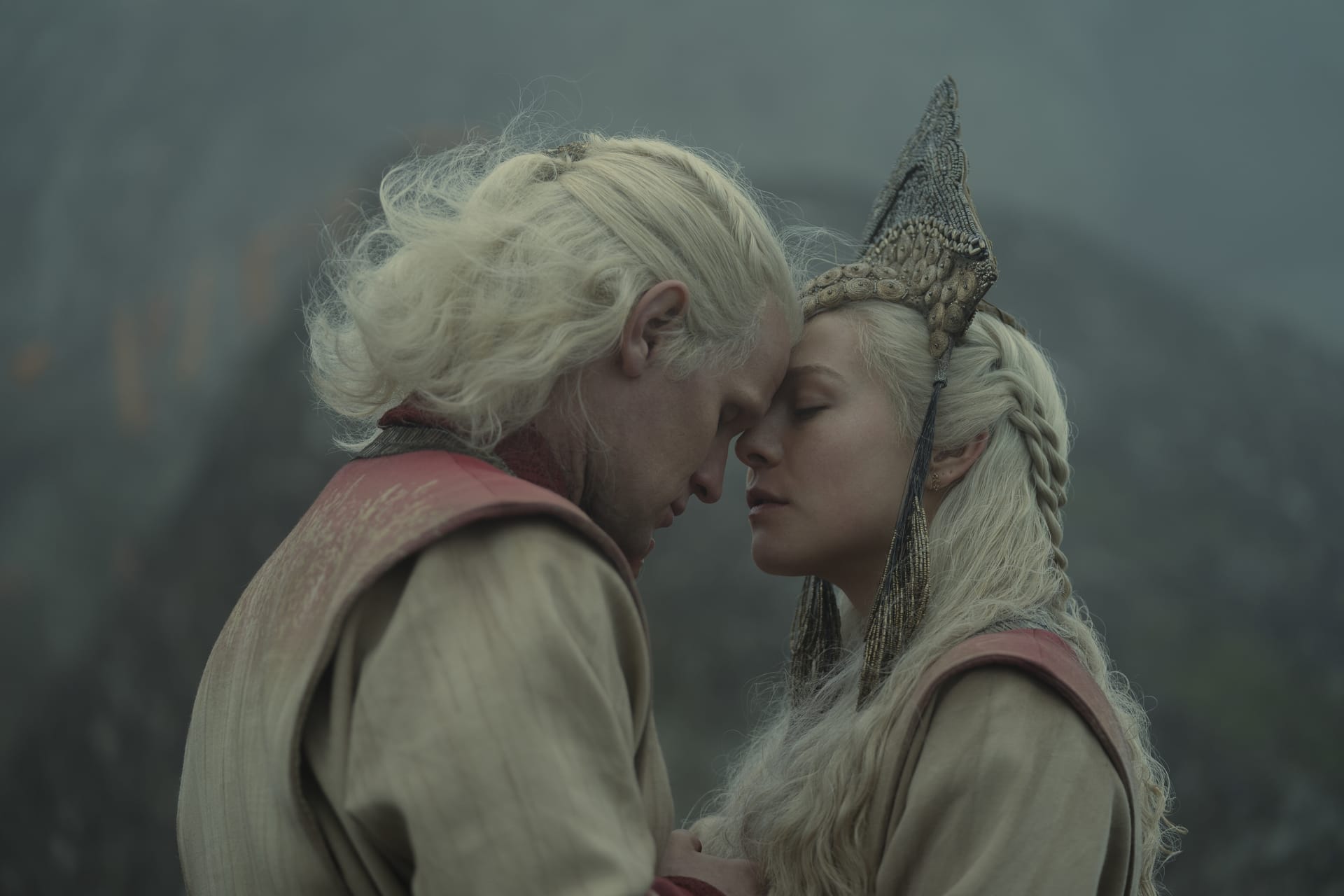
That didn't always seem like the case.
The series's first season featured Milly Alcock's younger version of Rhaenyra opposite Smith — Daemon is meant to be about 15 years older than his wife, which means that character didn't need to be aged down as much — and the two were thrown together incessantly. Their connection was evident, and their chemistry undeniable. But whether it was the more obvious age gap between the characters, the clear power imbalance in their roles in Viserys's court, or the slight hints of grooming and obsession that colored their initial interactions, much of their early relationship is uncomfortable to watch. Not only that, House of the Dragon was more than willing to leave several key story elements irritatingly murky: Did Daemon really love Rhaenyra? Was she just another step on the ladder of his ambition? Were we actually supposed to hope these crazy kids worked it out for real?
Turns out the answers were hell yes; maybe a little bit, but she's mostly fine with it; and abso-fucking-lutely.
That House of the Dragon managed to turn this wildly forbidden, largely taboo romance from a cautionary tale to the honest-to-god emotional linchpin around which much of the rest of the series turns is... well, surprising to say the least. Miraculous, maybe. But so very effective. Because, in the end, almost nothing about this show works unless you believe that Daemon and Rhaenyra Targaryen not only belong together, but genuinely love each other.
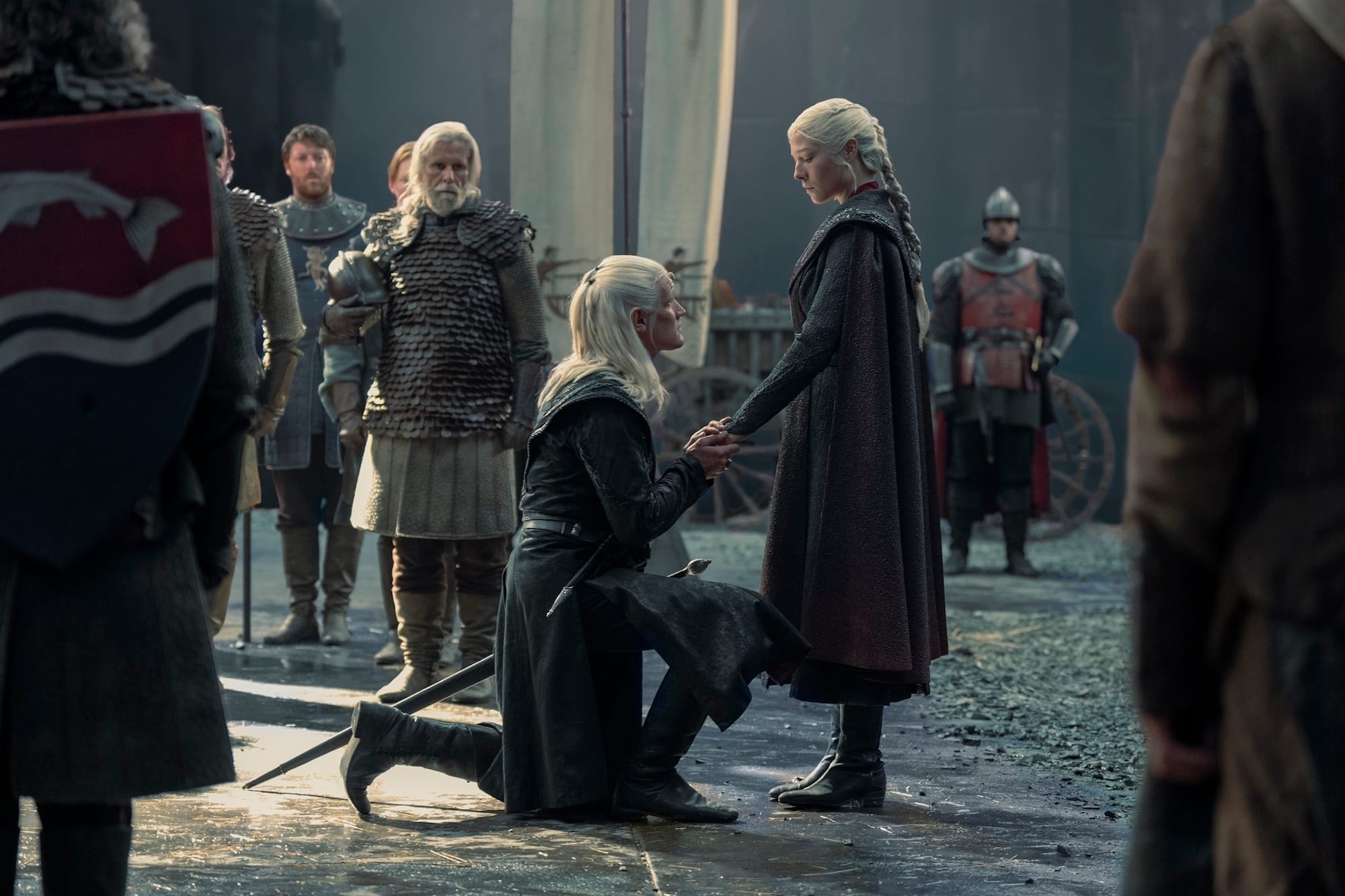
Their relationship is one of the few love matches on a show that regularly sees its women married off as bargaining chips or otherwise sacrificed on the altar of a given man's quest for power. (See also: Alicent, Helaena, and even Rhaenyra herself at one point.) Here, it is Rhaenyra who finally seizes the chance to make her own choice — she is the one who proposes, she who chooses Daemon, she who essentially convinces him to make their relationship as permanent as possible via a traditional Valyrian ceremony that is meant to be unbreakable. (To be fair, it also probably doesn't hurt that this is the religious tradition that encourages incest.)

Sign up for The Shipping Lane! Get access to our content right in your inbox --- and let us know you love us back. 💘
It's true, neither of them is a particularly good person. (Though on a canvas where most of the main characters are war criminals to some degree or other, "good" is a deeply relative term.) Daemon's a wife killer who signed off on the murder of a toddler in the name of revenge. Rhaenyra might not be quite on that level — at least, not yet — but she's a cunning manipulator who's proven more than willing to sacrifice the lives and happiness of others for the sake of her own. They're both willful, ambitious, and selfish when it suits them. They've been unfaithful to one another, they fight often, and their immediate goals don't always necessarily align.
But no one gets either of them the way they get each other.
So much of Rhaenyra's campaign for the throne has involved her being forced to repeatedly prove herself, usually to a steady parade of men who doubt her abilities, emotional stability, or heart. It is only Daemon who refuses to ask Rhaenyra to be anything less than who she is. He doesn't want her to make herself smaller in order to rule. He doesn't try to cripple or cage her under the nebulous guise of "protection". In fact, he wants her to embrace her most Targaryen-coded self and revels when she rides out to take Kings' Landing with him. (Genuinely, is that the happiest we've ever seen Daemon? Maybe.)
Maybe he's not always a good husband. He struggles with humility and his reckless temperament. Violence is basically his love language. (Just watch him casually behead those who speak poorly of his wife or cut down the soldiers who stand in her way.) But when it comes to it, Daemon is always, always, always willing to fight Rhaenyra's corner. Watching the two of them storm the Red Keep together, moving in tandem to take back their home, it's never been more apparent how in tune they are with one another. And it's hard to overstate how important it feels for her to have a partner like that, or for this show to take this complicated, messy romance seriously.
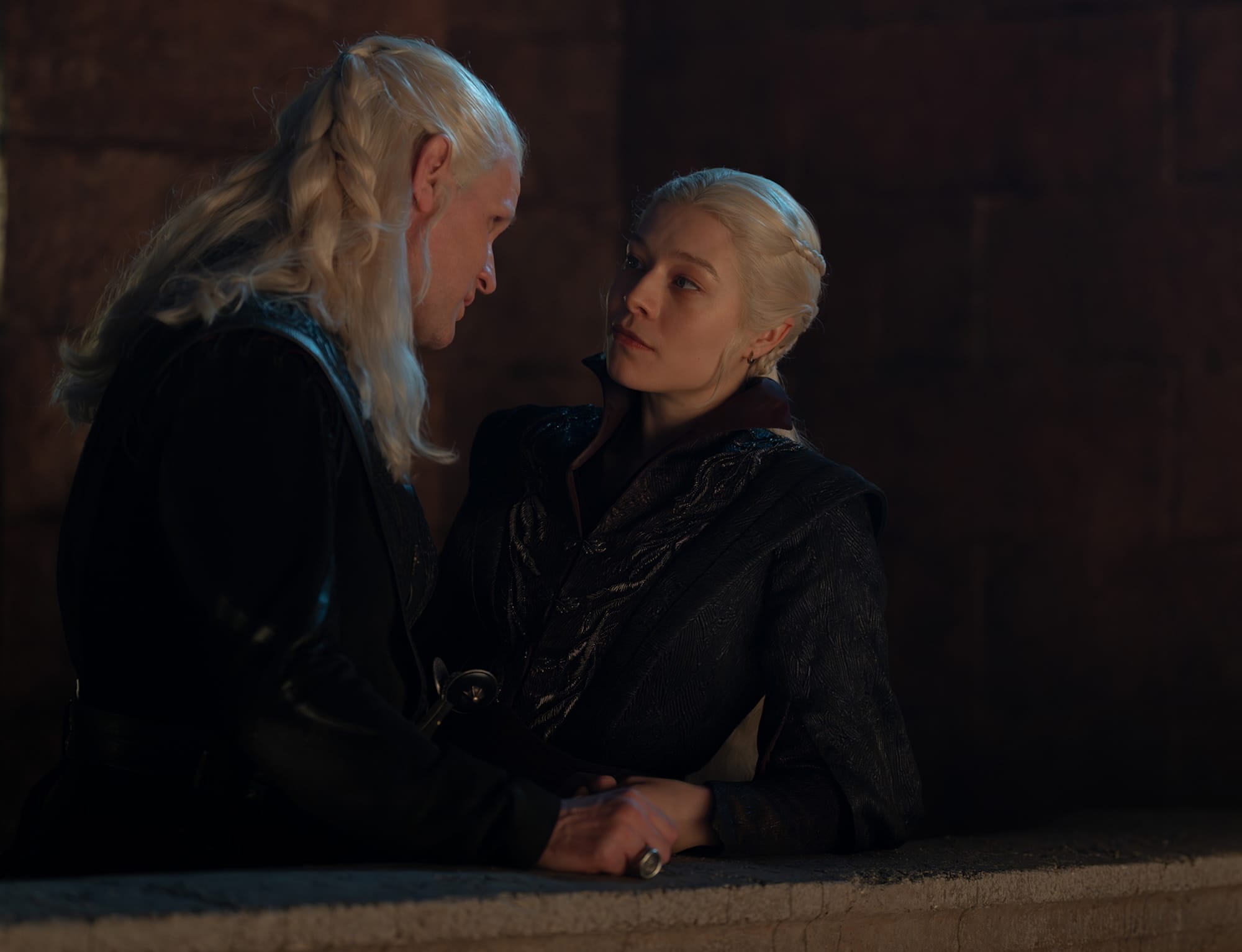
While House of the Dragon has featured epic battles and grisly major deaths, it hasn't always been great about things like character development. With a sprawling cast of over a dozen major players, constantly shifting relationships, and a story that tends to play fast and loose with everyone's motivations depending on what the narrative demands at any given moment, there's little time for true connection. (Either between the characters onscreen or between the show's various protagonists and the folks watching at home.)
As a result, almost everyone — both onscreen and off — is kept at a strange emotional distance from one another. Daemon and Rhaenyra are so compelling precisely because that is not their story. Their relationship has the fire (figuratively and sometimes literally speaking) that so many others on the show lack. They are meant to burn together — or burn the world down trying. And it's hard not to love them for that. Long may these Targaryens reign.
House of the Dragon Seasons 1-3 are available on HBO Max.


Comments ()