

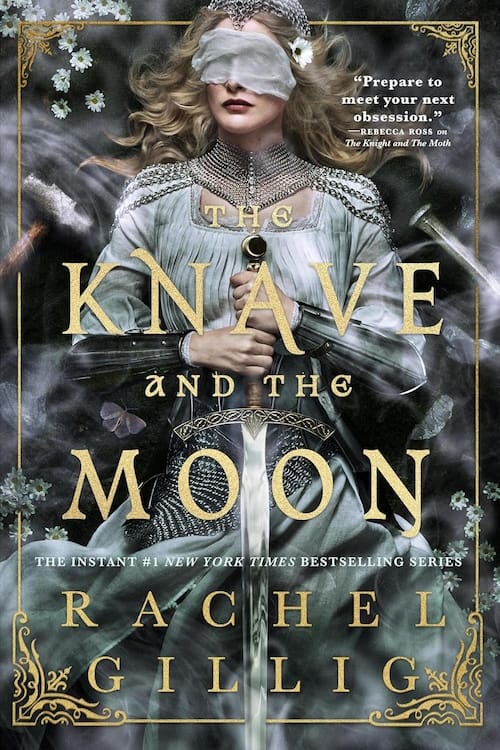
'The Knave and the Moon' Review: Rachel Gillig's Gauzy Gothic Sequel Is Gorgeous
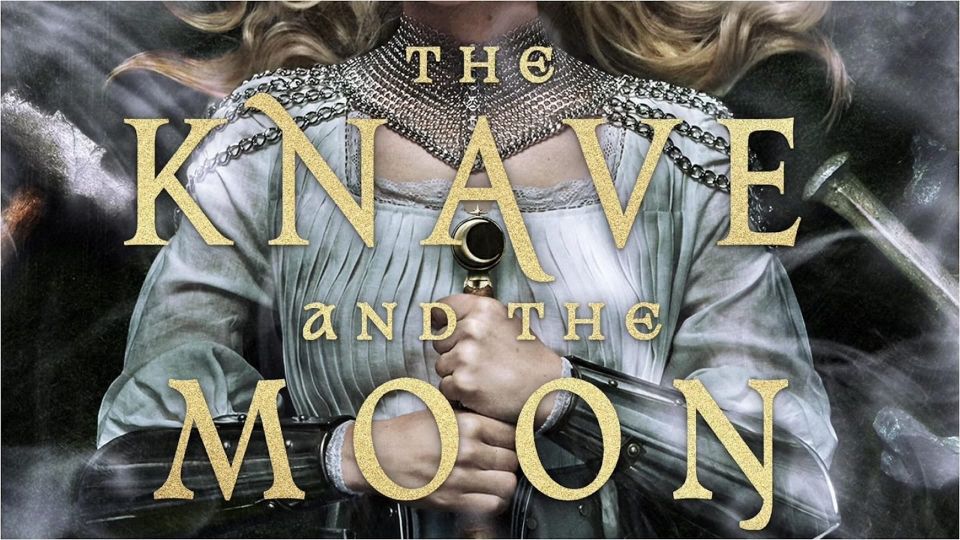
There are several romantasy authors who are such big names that even folks who don't read in the genre can recognize their names. Sarah J. Maas. Rebecca Yarros. Jennifer L. Armentrout. But Rachel Gillig absolutely deserves to be among them. (And if you haven't heard of her books, you should fix your life immediately.)
The author broke out when her (excellent) Shepherd King duology went viral on BookTok, but her Stonewater Kingdom series, which kicked off with last year's excellent The Knight and the Moth, may be even better. A story of mystery and faith, self-discovery and myth-making, the series is set in a medieval-esque world where magic is real, gargoyles are sentient, and belief is the engine of a kingdom. The first book introduced us to Sybil Delling, one of the Diviners of the famed Aisling Cathedral, young women taken in as foundlings and forced to drown over and over again in order to see the future.
Its sequel, The Knave and the Moon, picks up in the immediate aftermath of its predecessor’s devastating ending: Sybil and her friends succeed in killing Aisling's manipulative abbess and the cathedral itself lies in ruins. But the group is betrayed when King Benji fatally wounds Sybil's lover Rory and badly damages Bartholomew the gargoyle. Claiming the Diviner as his own, he plans to wed her, making her a puppet queen and using her as a new symbol to cement his control over the kingdom.

Subscribe to The Shipping Lane! Sign up and get our content sent right to your inbox --- it's free, and it lets us know you love us. 💘
Knave and the Moon opens with Sybil drugged and in captivity. Benji claims that sprites—the magical creatures of the land and forest we occasionally encountered in the first book—are the reason for Aisling's ruin, his friends' deaths, and pretty much every bad thing that has happened, ever. Determined to redirect the kingdom's faith to him and his reign, he parades Sybil around as a living symbol of his power and promises she can divine the future for those who are worthy.
To celebrate their marriage, Benji decides to hold tournaments in each of the kingdom's five major hamlets, forcing their ruling families to pony up money and swear their loyalty to him. Unbeknownst to Benji, however, Sybil remains more determined than ever to destroy him, and an unknown knave with no name and no memory who suddenly enters the tournament lists may give her the chance to rewrite Traum's story after all.
There's zero suspense, of course, about who this knight is; we've all been expecting some variation of this twist since the cliffhanger that closed the first book. But Gillig makes this narrative choice as much about Rory's story as it is about Sybil's, using his memory loss as a tool to introduce a second POV voice and delve deeper into his personal tragic past. (Translation: If you didn't hate the Artful Brigand before....)
Smartly, the story also doesn't withhold the knave's true identity from Sybil for too long, allowing readers just enough mutual heartache and yearning to tantalize without requiring its heroine to suddenly be too stupid to see the truth in front of her. Rory and Sybil's relationship continues to be the series' North Star, as each challenges the other about their preconceived notions of who they are and what kind of future they believe is possible—both for their relationship and the kingdom in which they live. Despite what both have been through, their interactions are warm and tender, and full of a surprising amount of laughter despite their shared losses and traumas.
The book has some weak spots: Some readers will doubtless find the story's repeat trip through the various localities of Traum to be too similar to the first book's plot. (Though I would argue that the resurfacing of these locations and themes is central to what this story is trying to do.)
Benji's arc doesn't nearly get the depth it deserves — particularly given how central his relationship with Rory and Sybil was in the first book — and his heel turn into outright villain territory is disappointingly one-note. There are moments where the story hints at a deeper inner conflict about the person he's choosing to become, as well as his many fears around legitimacy and respect that are rooted in his father's death. But neither narrative thread ever really goes anywhere, and in the end, he's more of a plot obstacle than a character in his own right.
Help Support The Shipping Lane! Upgrade to a paid subscription today to help the site expand and get access to our paid features as they go live.
Yet, this is still ultimately Sybil's story, and her journey encompasses everything from determination and despair to tentative hope. She remains an incredibly easy heroine to root for, and her found family bond with with Rory, Maude, and Bartholomew is even stronger here than in the first novel.
Thoughout this sequel, Gillig's writing remains lush, atmospheric and evocative, and her worldbuilding in this universe is incredibly rich and distinct. So much so that while the book's ending makes for a satisfying conclusion to the story of Sybil Delling it's still a pang to leave the Stonewater Kingdom behind.
The Knave and the Moon is available now wherever books are sold.
The Shipping Lane is a fully reader-supported publication. To receive new posts and support a female media critic, consider becoming a free or paid subscriber. And if you liked what you just read, share this post with your friends and social networks! 💕
Please note: where possible, I'm using Bookshop affiliate links. If you click through and order something from Bookshop, I'll get a couple extra bucks — and you'll get to support independent bookstores.


Comments ()